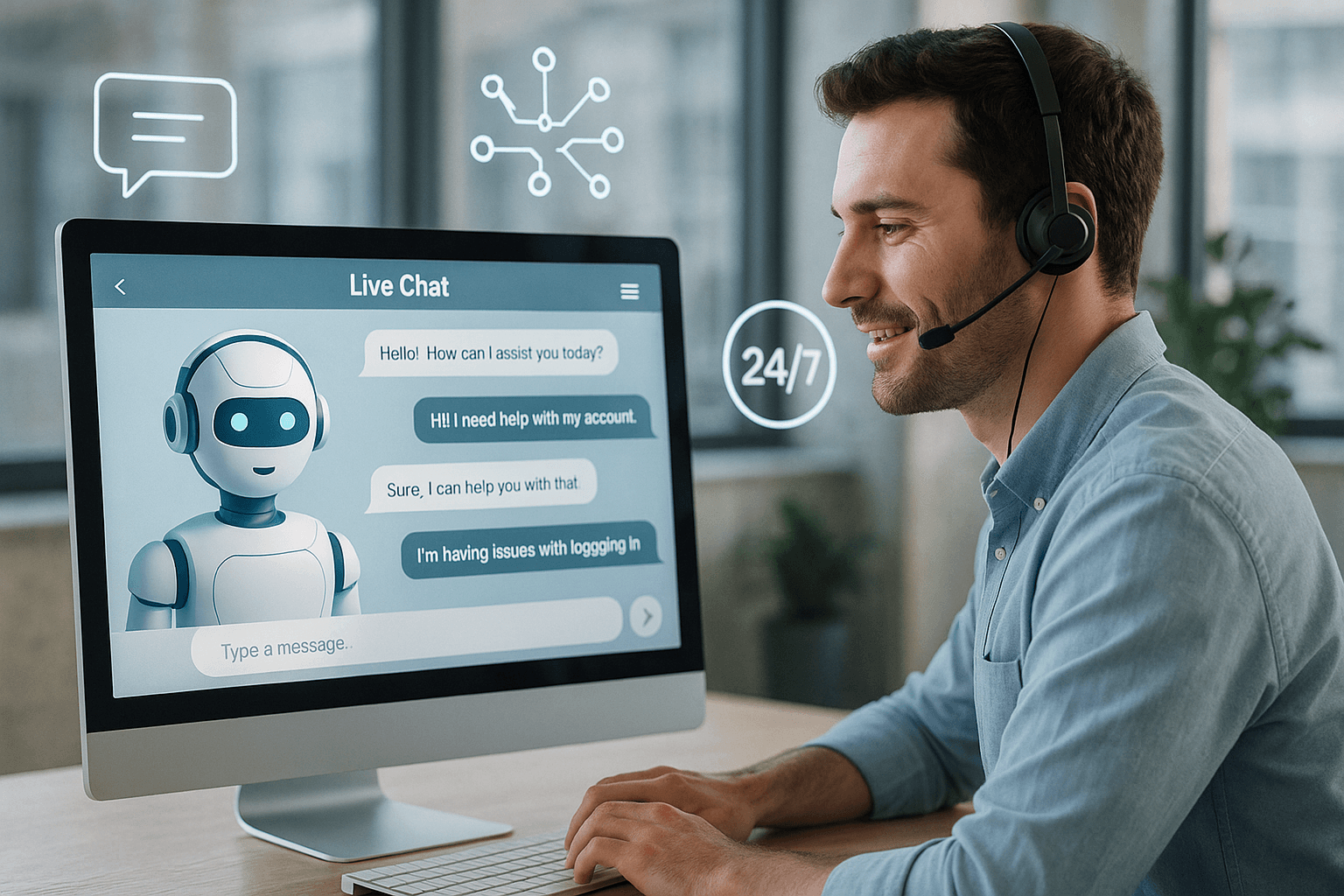
Chatbots have become essential tools for offering continuous customer support. However, their effectiveness can vary, and they can sometimes generate frustration among users. So what are the criteria for chatbots to increase customer satisfaction without causing irritation? This article explores the key elements for successfully integrating chatbots.
In today's digital world, chatbots are everywhere. From e-commerce sites to online banking services, these virtual assistants are designed to improve the user experience and answer customer questions around the clock. But is that always the case? For entrepreneurs and B2C companies, a chatbot's effectiveness can make the difference between a satisfied customer and a frustrated one. This blog looks at the essential aspects for turning chatbots from a mere technological gadget into true allies for your business.
Smart design and programming
Natural Language Understanding (NLP)
For a chatbot to be effective, it must be able to understand and process natural language. Integrating advanced natural language processing (NLP) technology allows the chatbot to grasp the intent behind customer queries, providing relevant and appropriate answers. According to SendPulse, a good understanding of natural language is essential to avoid misunderstandings and inappropriate responses. A chatbot that understands natural language well can anticipate customer needs and provide more accurate answers, which increases customer satisfaction.
Pre-programmed conversation scenarios
A good chatbot should have well-defined conversation scenarios that cover frequent questions and common problems. These scenarios allow the chatbot to guide customers effectively through complex processes, such as order tracking or technical troubleshooting. For example, a chatbot can use scenarios to help a customer check the status of their order or change a reservation. By responding quickly and accurately to common requests, chatbots can save time for both parties.
Personalization and continuous learning
Personalized responses
To increase customer satisfaction, chatbots must offer personalized responses based on customer data and previous interactions. Personalization creates a more engaging and relevant experience for the user. For example, based on purchase history, a chatbot can recommend similar or complementary products, as Amazon does. The more responses are tailored to the customer, the more they will feel valued and heard, which strengthens brand loyalty.
Machine learning and continuous updates
Chatbots must be able to learn from each interaction to improve their future responses. Using machine learning allows chatbots to adapt and continuously improve. This ability to evolve ensures that the chatbot remains effective and relevant in the face of varied and changing requests. For example, if a chatbot frequently receives questions about a new product, it must be able to adapt its responses in real time to provide accurate and up-to-date information.
Human handoff and managing frustration
Option to transfer to a human advisor
An effective chatbot must be able to recognize its limits and offer a smooth transition to a human advisor when the customer's request exceeds its capabilities. This handoff must be fast and friction-free to avoid customer frustration. As HubSpot explains, this option is crucial for maintaining customer satisfaction. Offering a human exit is often the key to solving more complex problems and maintaining a good customer relationship.
Managing feedback and continuous improvement
Companies must collect and analyze user feedback about their interactions with the chatbot. This analysis helps identify points of frustration and make continuous improvements. For example, if customers regularly complain about the same inappropriate answer, developers can adjust the chatbot to better address those requests. By integrating customer feedback into the improvement process, companies can ensure that their chatbot remains a useful and appreciated tool.
For chatbots to increase customer satisfaction without generating frustration, they must be intelligently designed and programmed, offer personalized responses, and evolve through continuous learning. Integrating an option to transfer to a human advisor and proactively managing feedback are also essential. By following these criteria, companies can maximize the effectiveness of their chatbots and significantly improve the customer experience.
Investing in a well-designed chatbot can transform your customer service and provide seamless 24/7 support. If you're ready to take that step, contact our LiveChat experts to discover how to integrate an effective chatbot into your business strategy.